Catalyst High-Throughput Screening Platform: Photocatalytic Reactor Selection from Shanghai 3S Tech
2026-09-22
abstract:When building a high-throughput screening platform, reactor selection directly determines the stability and reproducibility of experimental data.
In the research and development of photocatalytic catalysts, a core challenge lies in the rapid comparison of numerous catalyst samples and reaction conditions. Traditional single-station equipment suffers from long experimental cycles and poor parallelism, making it difficult to efficiently complete activity screening of catalysts. When building a high-throughput screening platform, reactor selection directly determines the stability and reproducibility of experimental data.
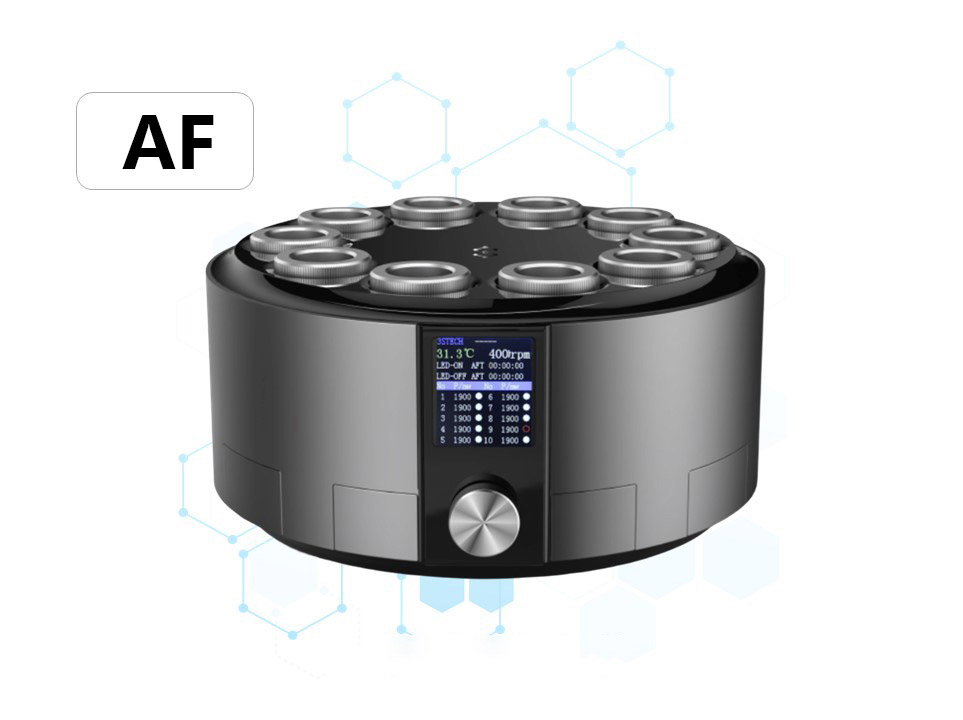
The parallel photoreactor AF3 from Shanghai 3S Tech serves as the mainstream model for high-throughput catalyst screening. It is equipped with 10 independent stations, where light intensity and illumination duration can be individually regulated. The liquid cooling system enables temperature control ranging from -20 to 80 °C, effectively eliminating thermal interference from light sources and distinguishing photocatalytic effects from thermal catalysis. Compatible with 2–50 mL reaction tubes and fitted with magnetic stirring, its LED light source covers a broad wavelength range of 250–975 nm. Rapidly interchangeable light modules match the excitation wavelengths of various catalysts, suitable for batch testing of catalytic systems such as water photolysis, CO₂ reduction and organic synthesis.
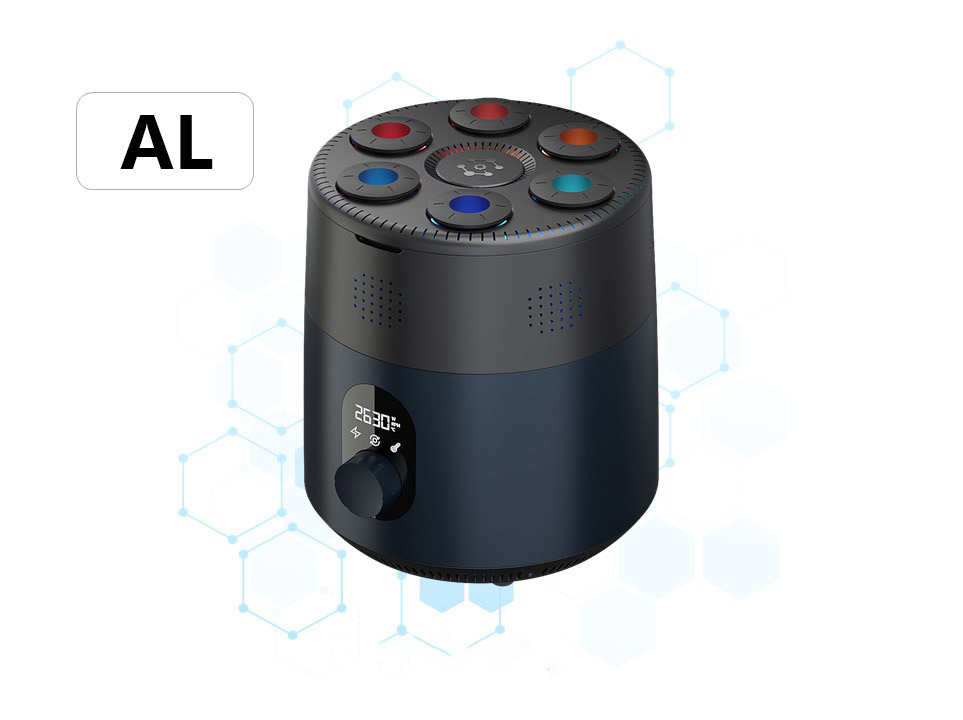
For low-throughput screening and room-temperature lab-scale tests, the 6-station air-cooled AL3 model delivers balanced cost performance and parallel experimental capability. For ultra-high-throughput screening using microplates, the AK series high-throughput photoreactor is available, compatible with multiple microplate formats and supporting timed operation to reduce manual monitoring. The whole platform can be flexibly expanded, and FP-series microchannel reactors can be integrated subsequently, enabling smooth transition of validated catalytic processes from parallel lab screening to continuous-flow pilot tests.
Related Reading
hot articles