Selection Guide of Shanghai 3S Tech Photochemical Reactors for Organic Photoredox Catalysis
2026-09-22
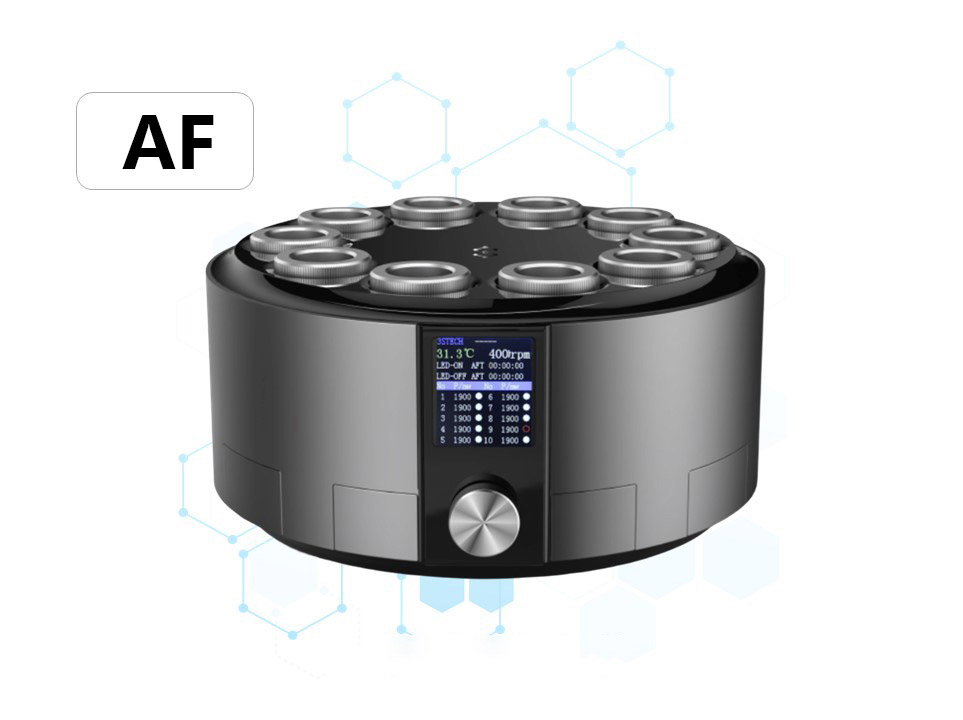
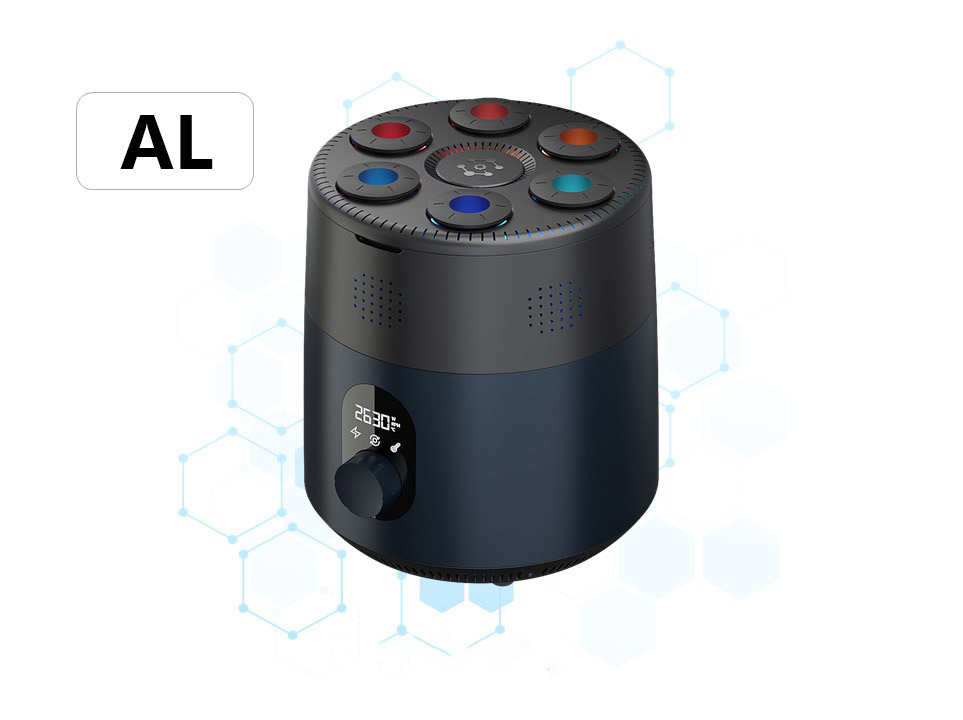
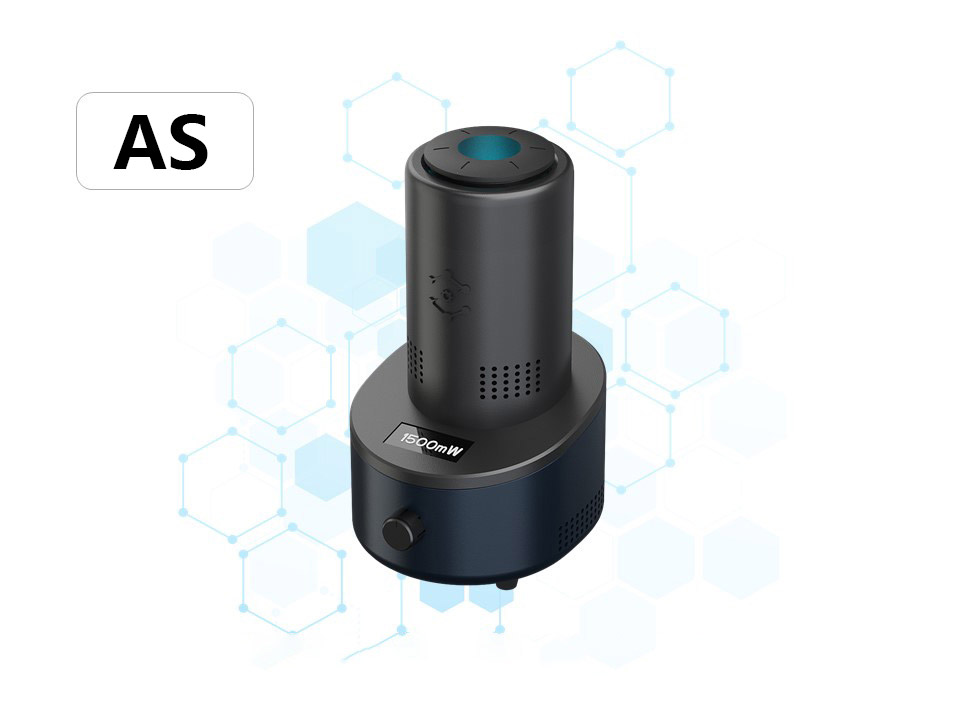
abstract:Shanghai 3S Tech A-series photochemical reactors are all laboratory-scale small-test instruments. Models AS1, AL3 and AF3 differ in workstation quantity, temperature control mode and light source parameters, catering to diverse research scenarios of photocatalysis.
Organic photoredox catalysis relies on visible light excitation of photosensitizers to achieve single electron transfer. It is highly sensitive to light wavelength, light intensity stability and temperature control precision. Minor parameter deviations may lead to fluctuation in reaction yield and poor experimental reproducibility. Shanghai 3S Tech A-series photochemical reactors are all laboratory-scale small-test instruments. Models AS1, AL3 and AF3 differ in workstation quantity, temperature control mode and light source parameters, catering to diverse research scenarios of photocatalysis.
AS1 is a single-workstation unit. Optional wavelengths cover 250–360 nm deep UV and 365–975 nm visible bands, with light source power adjustable from 0 to 12 W. It adopts air-cooling heat dissipation. It is suitable for mechanistic research and quantum efficiency measurement of a single reaction system, focusing on detailed investigation of photosensitizer excitation properties.
AL3 is a 6-workstation parallel photoreactor. It supports 365–975 nm visible light, with independent light intensity adjustment for each workstation and 0–15 W power range. Equipped with air cooling, it fits high-throughput screening of photoredox reactions under ambient temperature. Researchers can compare catalysts, solvents and stoichiometric variables simultaneously to accelerate condition screening.
AF3 features 10 independent workstations, wavelength coverage of 250–975 nm, and a liquid cooling temperature control system with a temperature range of -20 ℃ to 80 ℃. Each channel supports 0–15 W independent power regulation and delivers superior light field uniformity. It is ideal for temperature-sensitive photoredox reactions, performing condition reproduction and parallel verification after primary screening to acquire stable, traceable research data.
Related Reading
hot articles