For Which Pollutant Treatment Scenarios Is the Photocatalytic Reactor from Shanghai 3S Technology Suitable?
2026-03-12
abstract:The photocatalytic reactor from Shanghai 3S Technology demonstrates extensive applicability in the field of pollutant treatment due to its efficient photocatalytic performance and flexible design.
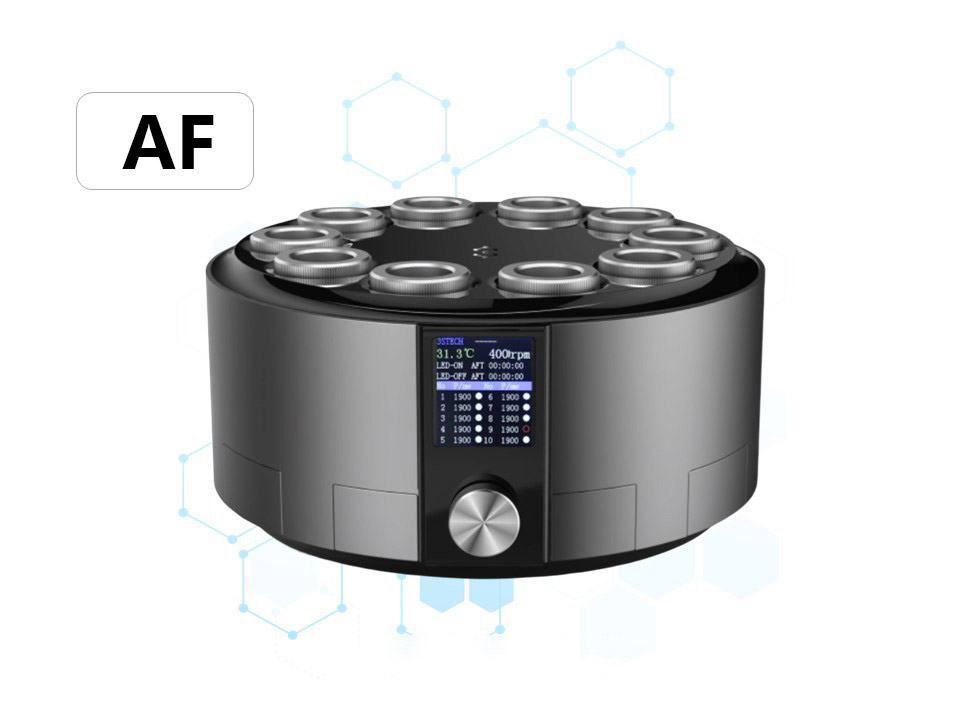
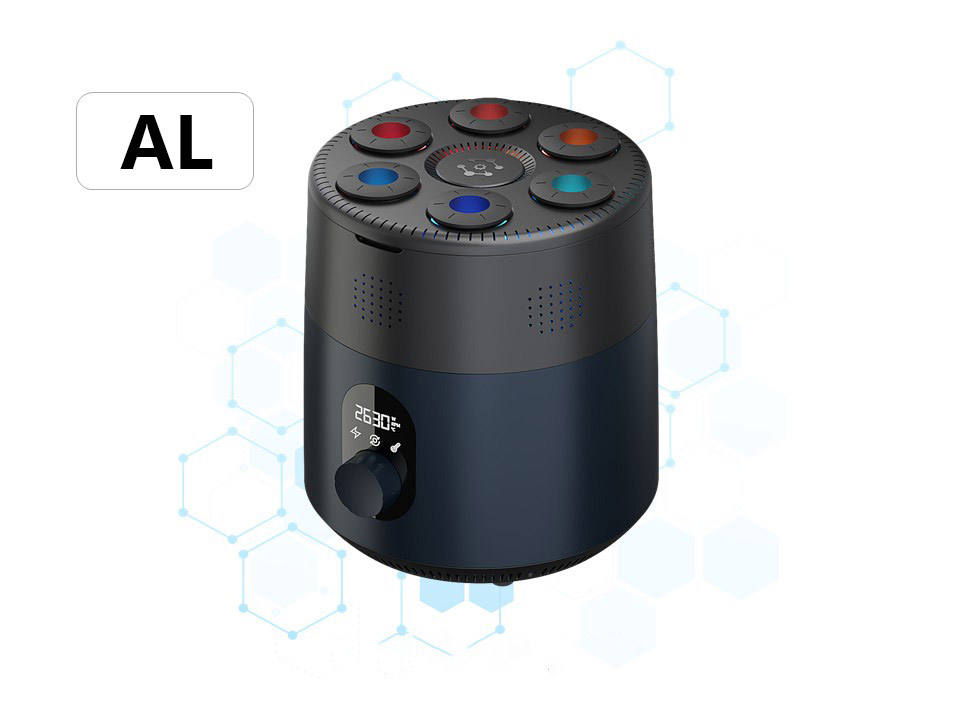
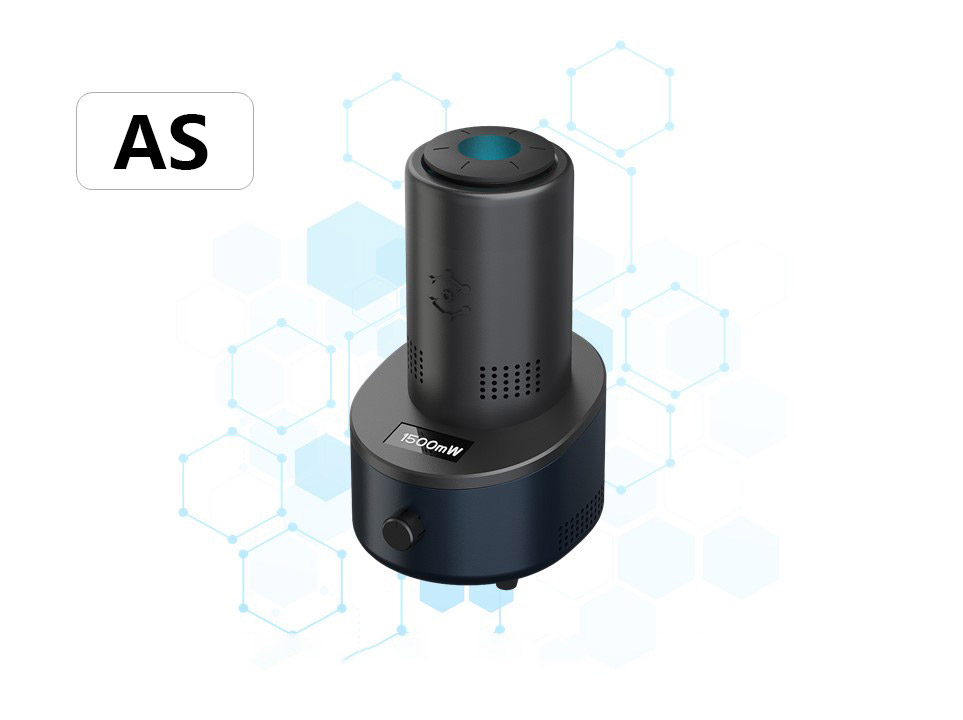
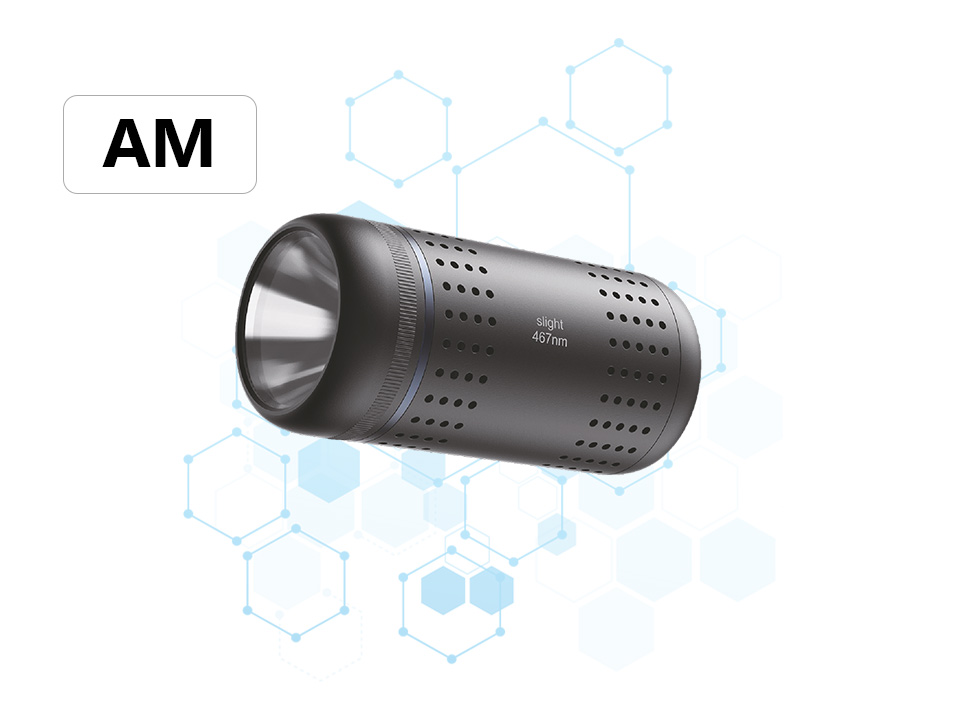
The photocatalytic reactor from Shanghai 3S Technology demonstrates extensive applicability in the field of pollutant treatment due to its efficient photocatalytic performance and flexible design. In industrial wastewater treatment, this equipment can effectively degrade difficult-to-treat organic pollutants such as benzene series compounds, pesticide residues, and dyes. For instance, in a chemical fiber wastewater treatment project, by utilizing a top-illuminated LED light source and a dual-temperature control system, the Chemical Oxygen Demand (COD) removal rate was increased to 92%. Meanwhile, it avoids side reactions caused by infrared radiation from traditional mercury lamps.
In the pharmaceutical manufacturing sector, its photocatalytic continuous-flow reactor enables the efficient synthesis of key intermediates for anticancer drugs. This significantly shortens the reaction cycle, with the space-time yield increasing several times over, and the purity of the products reaching over 98%.
In air purification scenarios, the equipment, equipped with a Pt-loaded g-C₃N₄ catalyst, achieves a 92% removal rate of formaldehyde within 2 hours, making it suitable for indoor and industrial waste gas treatment. For soil remediation, the photocatalytic reactor can degrade heavy metals and organic pollutants. For example, after its application in an agricultural park, the heavy metal content in the soil was reduced to below national standards.
Related Reading
hot articles