Selection of Shanghai 3S Tech Photocatalytic Reactor for Visible Light vs. UV Light Experiments
2026-09-22
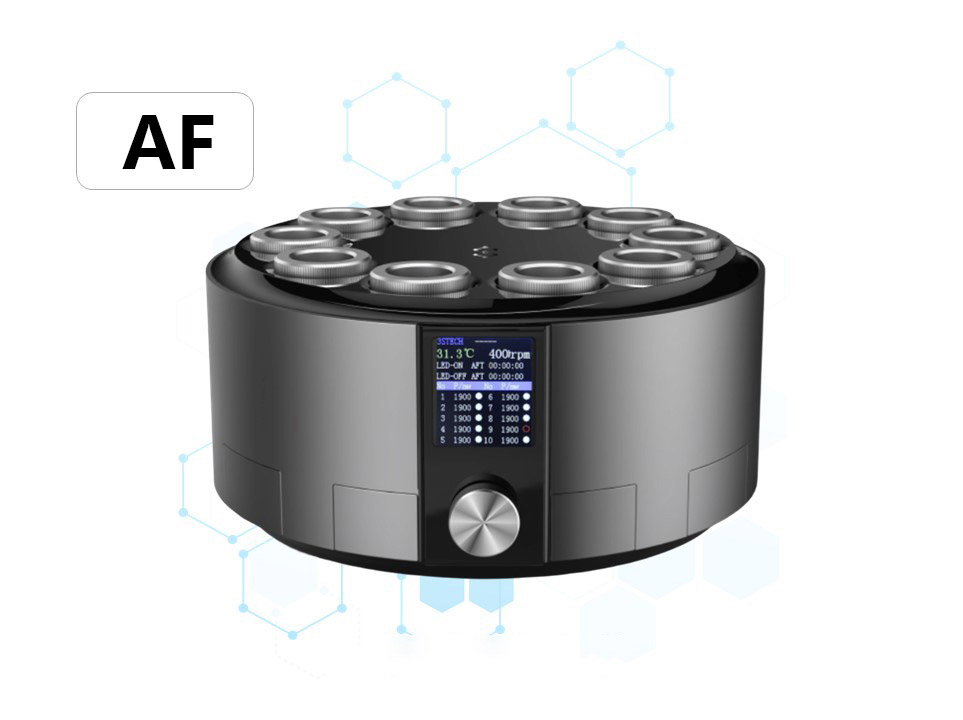
abstract:For UV light experiments, common applications include photocatalysis of wide-bandgap semiconductors such as TiO₂, advanced degradation of water pollutants, and strong oxidative free-radical reactions. The AF3 LED photochemical reactor from Shanghai 3S Tech is recommended.
When conducting comparative photocatalytic experiments under ultraviolet and visible light, the corresponding reactor model shall be selected according to research scenarios to guarantee reliable comparison data.
For UV light experiments, common applications include photocatalysis of wide-bandgap semiconductors such as TiO₂, advanced degradation of water pollutants, and strong oxidative free-radical reactions. The AF3 LED photochemical reactor from Shanghai 3S Tech is recommended. It can be equipped with UV LED modules, featuring a sealed chamber to prevent UV leakage, continuously adjustable light intensity, and support for parallel reactions of multiple samples, which stably meets the activity screening of UV-responsive photocatalytic materials.
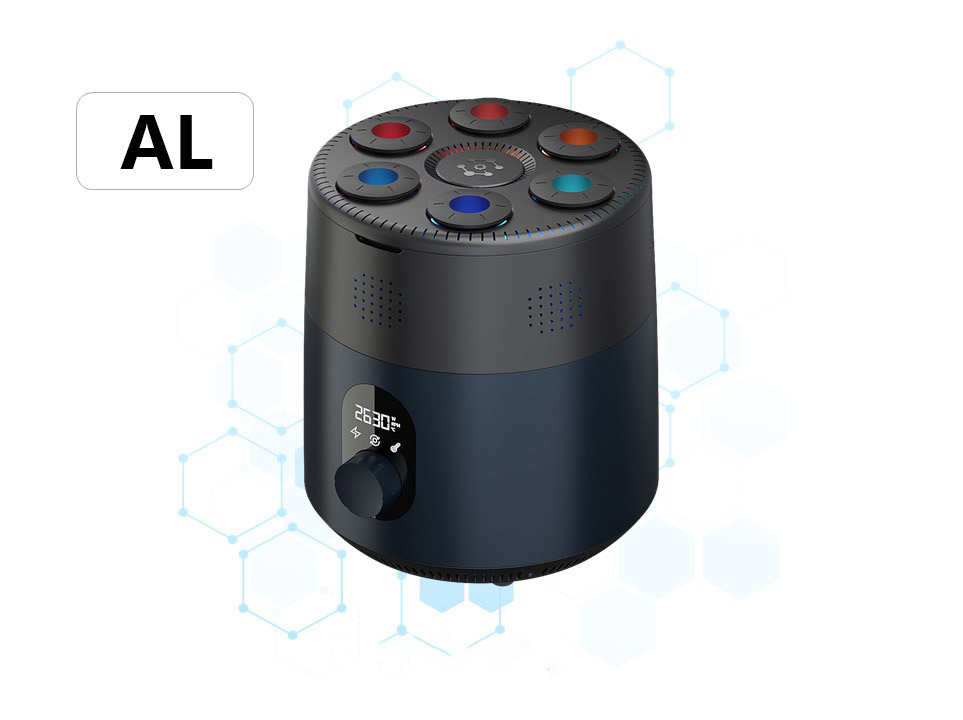
For visible light experiments, research focuses on narrow-bandgap photocatalyst evaluation, photo-organic synthesis, CO₂ photoreduction and other fields, requiring strict spectral purity and illumination uniformity. The AL3 LED photochemical reactor is recommended. It adopts dedicated visible-light LED modules to precisely output target visible wavelengths. Its high-precision temperature control system mitigates thermal interference to restore genuine photocatalytic effects.
Both instruments adopt modular light source design. Users can rapidly switch between UV and visible light modules on a single unit to reduce systematic errors caused by device differences. This setup facilitates direct comparative tests between visible light and UV light and supports the investigation of photocatalytic mechanisms and material performance evaluation.
Related Reading
hot articles