Several Photocatalytic Reactors from Shanghai 3S Technology Suitable for University Research
2026-03-12
abstract:Shanghai 3S Technology offers multiple photocatalytic reactors that are well-suited for university research settings.
Shanghai 3S Technology offers multiple photocatalytic reactors that are well-suited for university research settings. Among them, the following two models stand out with significant advantages:
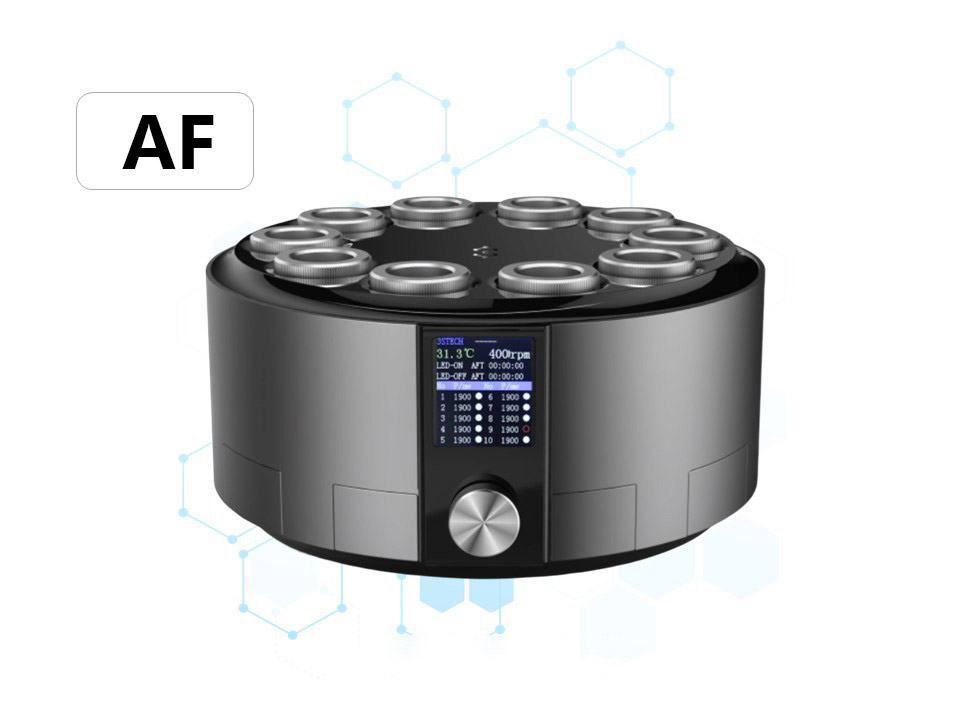
The AF series research-grade photocatalytic reactor takes its wide-band light source adaptability as its core advantage. It supports full-spectrum regulation from 250 to 975 nm, covering the range from ultraviolet to near-infrared, enabling precise matching with the absorption characteristics of different catalysts. The equipment adopts a modular design and can support up to 10 independent workstations operating simultaneously. It is compatible with reaction vessels ranging from NMR tubes to 50 mL reaction tubes. It also integrates a magnetic stirring system and an intelligent temperature control system, with a temperature fluctuation of ≤ ±0.5°C, ensuring the stability of reaction conditions. Its light intensity can reach up to 1000 mW/cm², and the light attenuation rate is less than 5% per year, making it suitable for research on highly selective reactions such as drug synthesis and material modification.
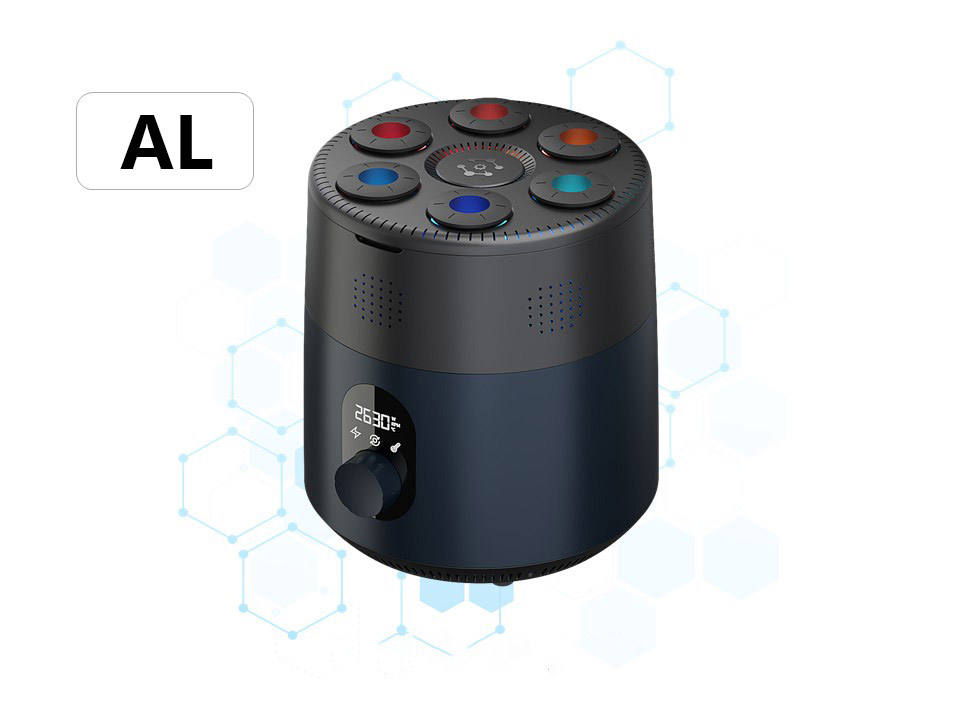
The AL series pilot-scale photocatalytic reactor highlights its high-throughput screening capability. It integrates a 6-workstation parallel experiment function, supporting unified or independent control of light intensity (0-15 W), timing (0-99 hours), and stirring speed (300-1500 rpm). The equipment employs liquid-cooling temperature control technology, enabling wide-temperature range regulation from -20°C to 80°C to meet the needs of low-temperature photosynthesis and high-temperature accelerated reactions. Its quartz/sapphire window design enhances light energy utilization efficiency, increasing the Chemical Oxygen Demand (COD) removal rate to 92% in organic pollutant degradation experiments. It is suitable for condition optimization research in fields such as environmental chemistry and energy conversion.
Related Reading
hot articles