Photochemical Reactor Selection from Shanghai 3S Tech for Organic Synthesis
2026-09-16
abstract:The modular instruments from Shanghai 3S Tech can be adapted to diverse research scenarios.
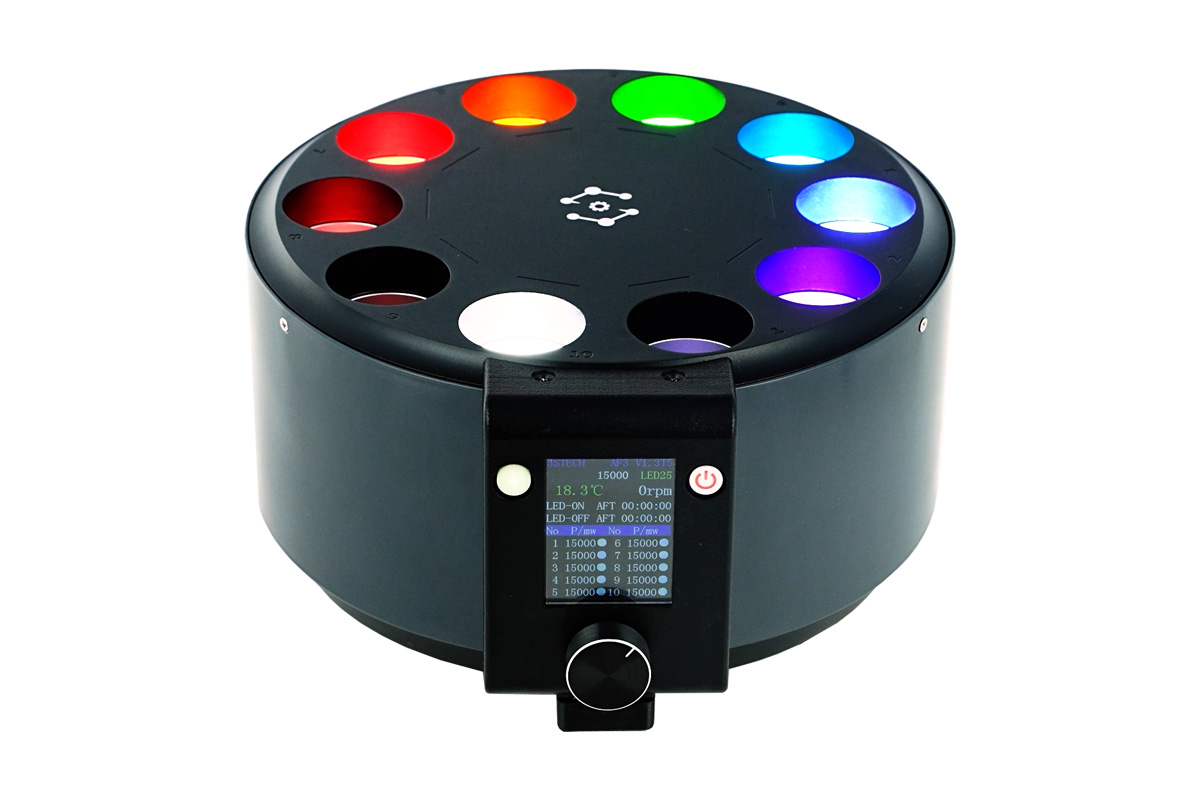
When selecting a photochemical reactor for an organic synthesis laboratory, the core considerations are experimental objectives, reaction scale and spectral requirements. Priority should be given to light stability, temperature control accuracy and experimental reproducibility. The modular instruments from Shanghai 3S Tech can be adapted to diverse research scenarios.
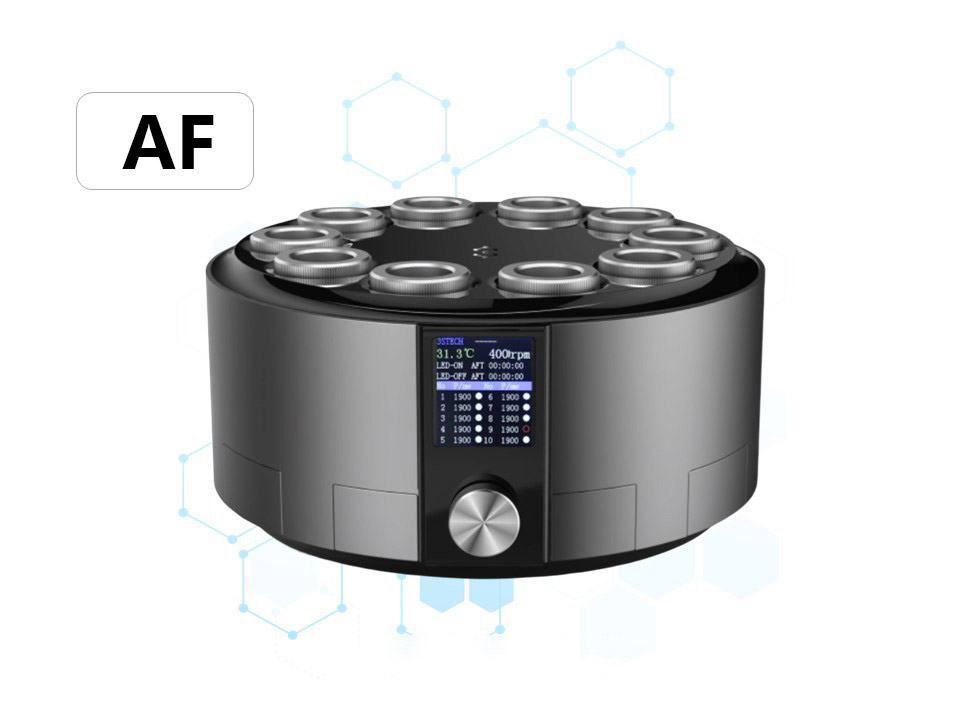
For high-throughput condition screening and substrate scope exploration experiments, the AF3 parallel photochemical reactor is recommended. Equipped with 10 independent reaction positions, it enables simultaneous parallel control experiments. The light intensity of each channel can be adjusted separately, with interchangeable LED light sources covering the wavelength range of 250–975 nm, suitable for common organic photosynthetic reactions such as cycloaddition and deprotection. It is integrated with a liquid cooling temperature control system to eliminate thermal interference from the light source, stably maintain low-temperature reaction conditions, and significantly reduce errors in parallel experiments.
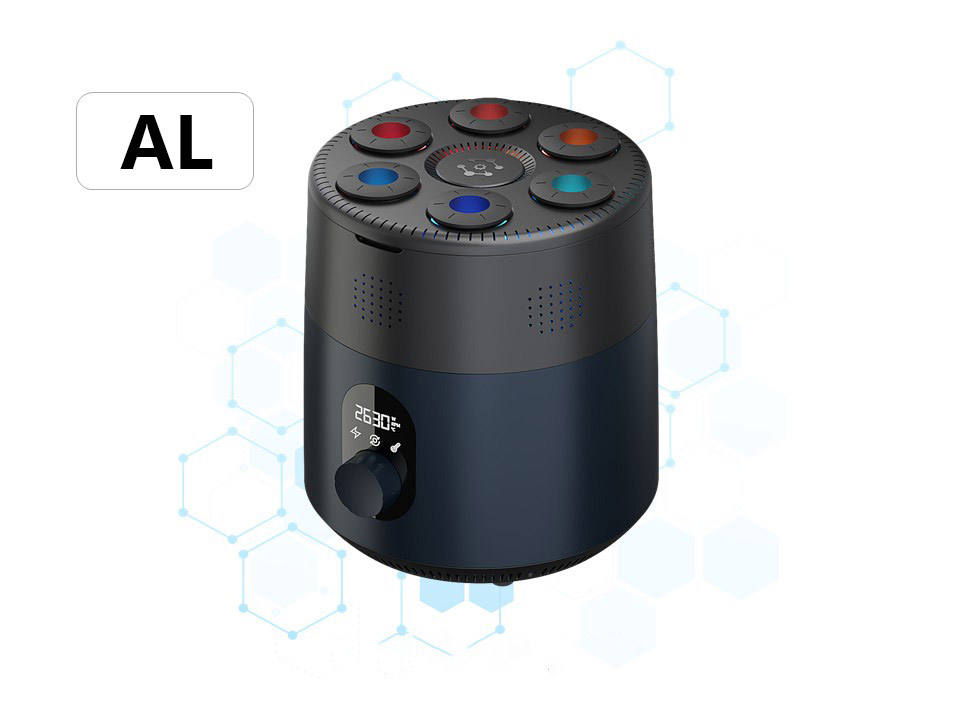
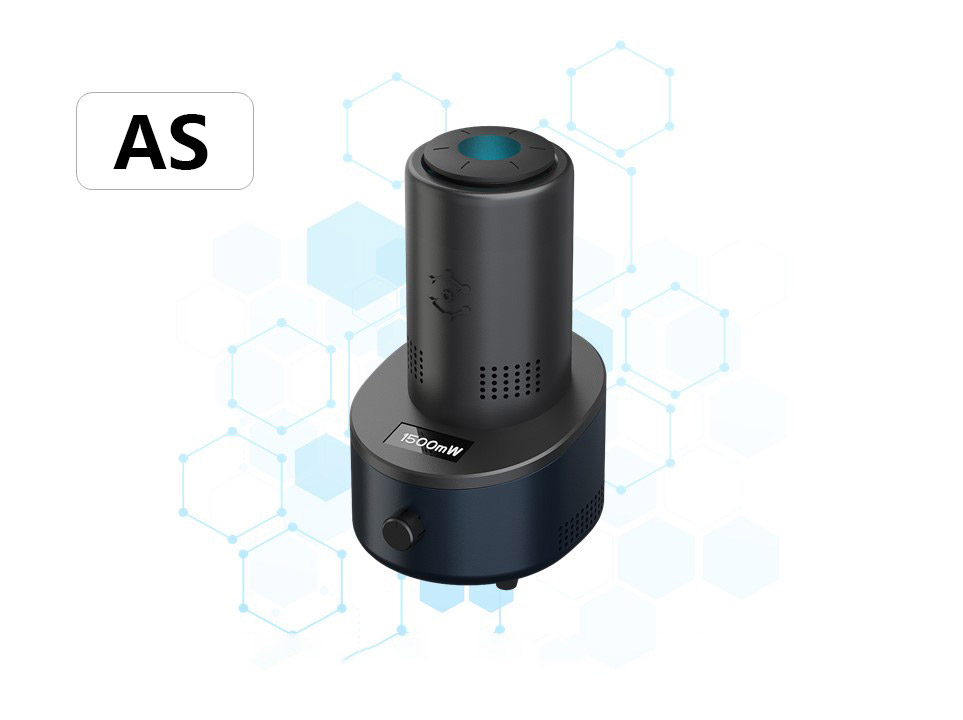
For single-batch reaction mechanism studies and product qualitative analysis, the AS1 single-position photochemical reactor is an ideal option. Its compact footprint fits standard laboratory benches. The light source module can be rapidly replaced, and it delivers excellent deep-ultraviolet wavelength coverage, making it suitable for reaction kinetics investigation. For small-scale sample preparation, the AL3 six-position parallel photochemical reactor is also available. Adopting an air-cooled temperature control scheme, it offers higher cost performance for research groups with limited budgets.
Related Reading
hot articles