How to Select Photocatalysis Experimental Equipment?
2026-09-16
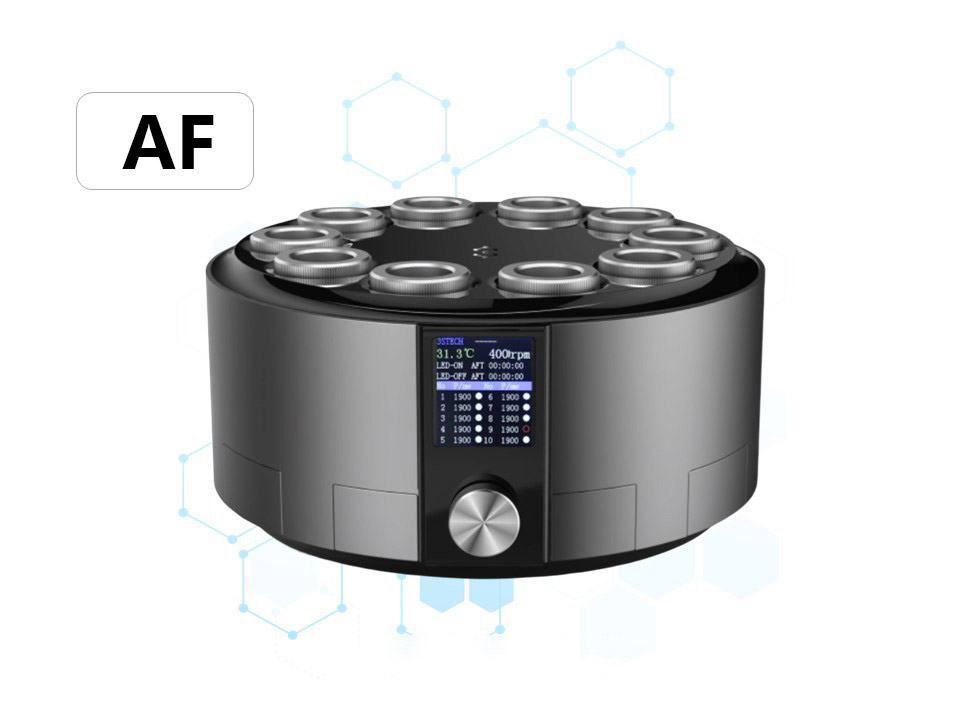
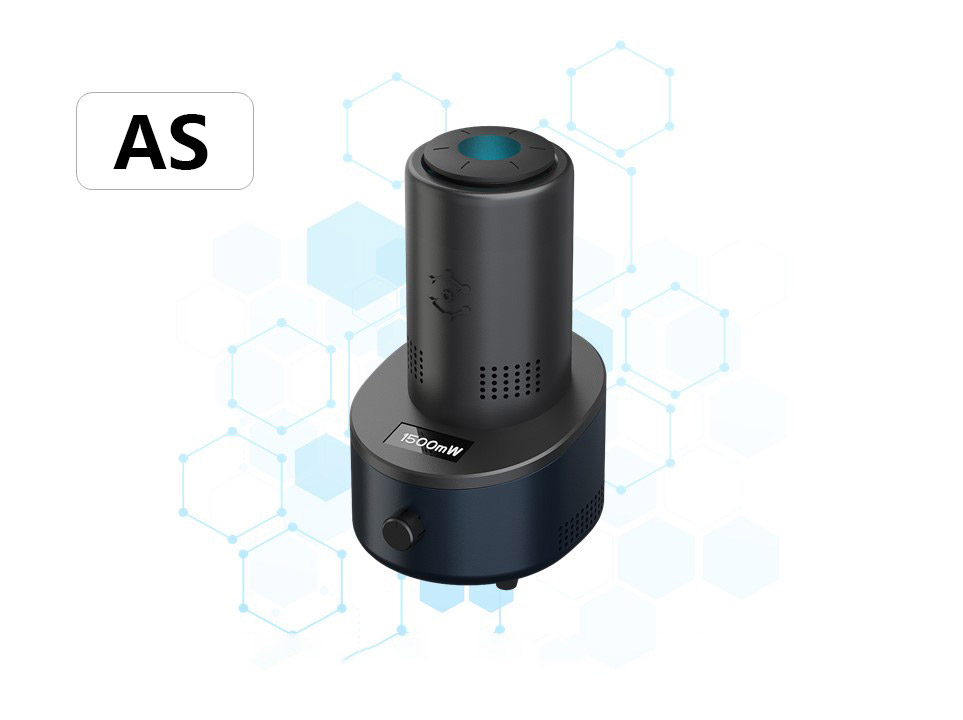
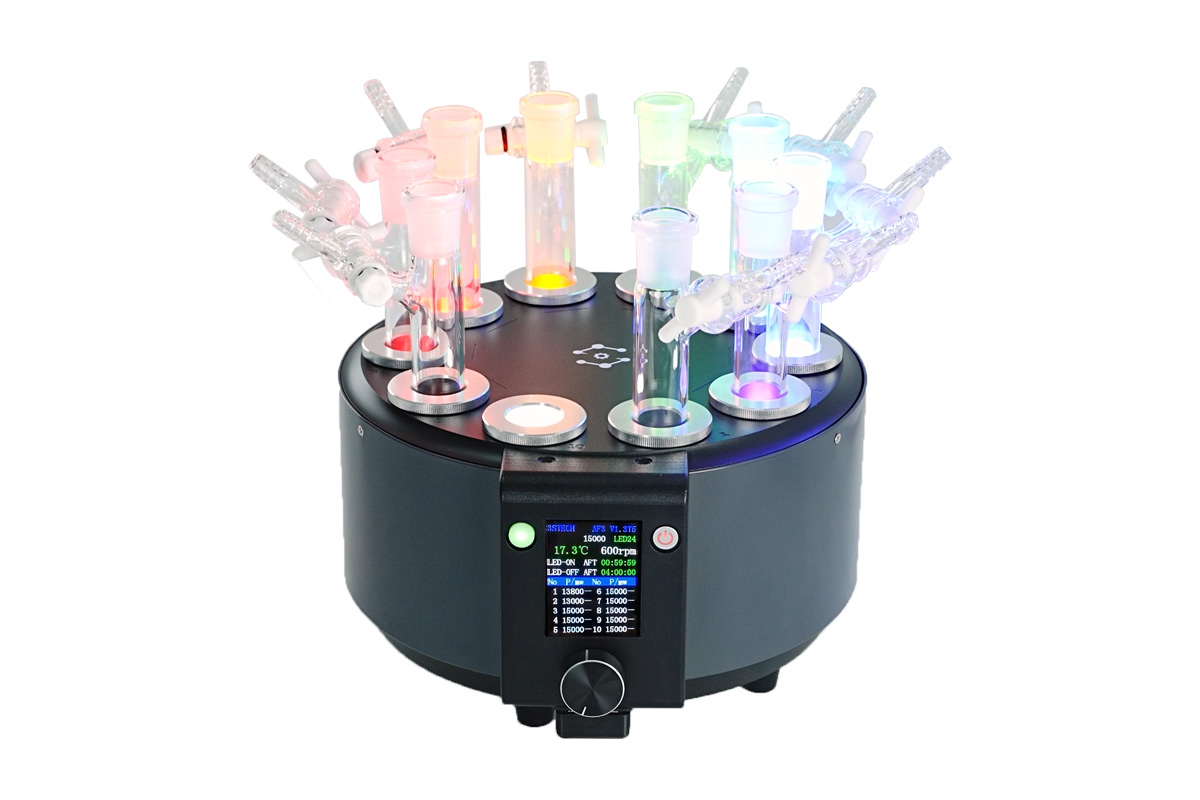
abstract:Shanghai 3S Tech develops scientific photochemical reactors tailored for research groups in universities and R&D departments of enterprises. AF and AL series support parallel multi-channel reactions for batch control experiments.
The core principle for selecting photocatalysis experimental equipment lies in matching the reaction system, light source requirements and temperature control conditions. Improper selection often leads to poor data repeatability and experimental failure. First, clarify the type of experiment: homogeneous photocatalysis, heterogeneous suspension systems, or gas-liquid-solid photoreactions. Different systems impose distinct requirements on reactor cavities, stirring and light-transmitting structures. Meanwhile, confirm the wavelength and power range of the light source. UV, visible and simulated solar light modules cannot be interchanged, as wavelength stability directly affects the measurement of photonic efficiency.
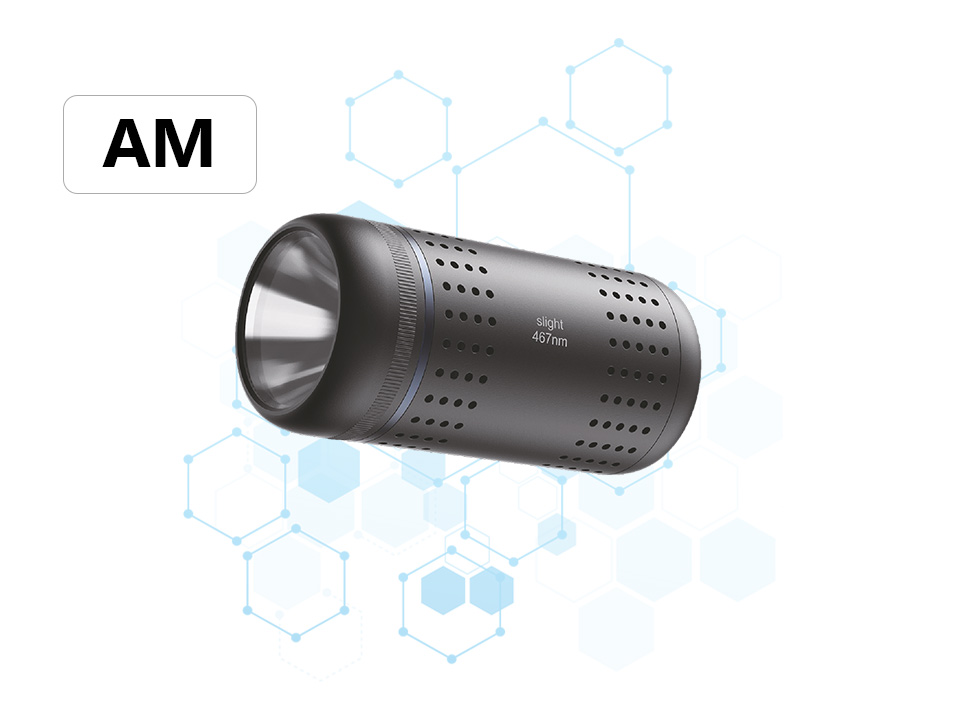
Shanghai 3S Tech develops scientific photochemical reactors tailored for research groups in universities and R&D departments of enterprises. AF and AL series support parallel multi-channel reactions for batch control experiments. Equipped with precise temperature control modules, the devices eliminate thermal interference caused by light irradiation and exclude temperature variables that skew photocatalysis results. Compatible with various reaction vessels and replaceable quartz reactors, they satisfy screening of small-scale experimental conditions.
Safety protection, optical path calibration and subsequent maintenance also require careful consideration during selection. The complete unit comes with a light-shielding enclosure to prevent UV leakage. Its modular design facilitates easy replacement of light source components and reduces maintenance costs of scientific instruments. From mechanism exploration to process optimization, users can customize combinations of light sources, stirrers and sampling ports to fit mainstream photocatalysis research including photodegradation and organic photosynthesis.
Related Reading
hot articles