Photocatalytic Performance Testing of Materials – Selection Guide for Shanghai 3S Tech Photocatalytic Reactors
2026-09-18
abstract:Shanghai 3S Tech offers a complete equipment portfolio covering high-throughput screening, single-sample in-depth characterization and pilot-scale scaling for applications including photodegradation, water splitting and photo-synthesis.
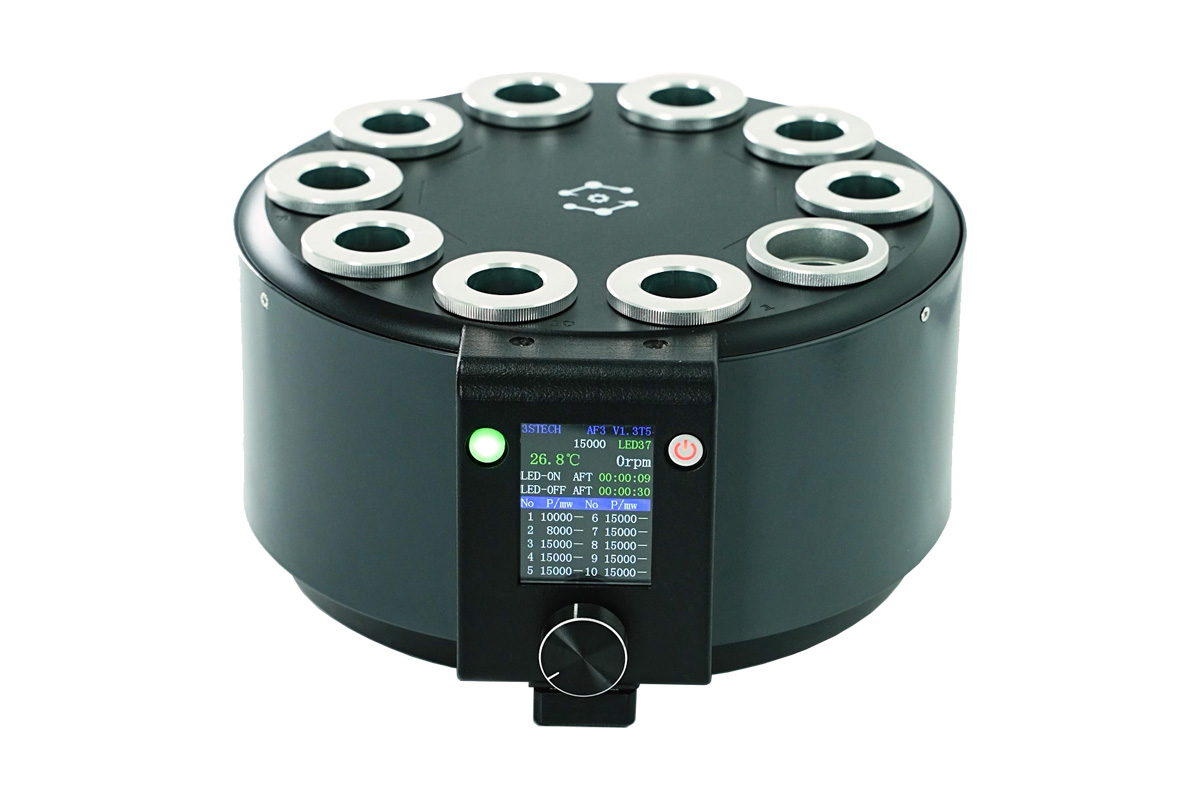
Reactor selection is critical for material photocatalytic performance testing, as it directly affects light uniformity and experimental repeatability, forming the foundation for reliable catalyst activity evaluation. Shanghai 3S Tech offers a complete equipment portfolio covering high-throughput screening, single-sample in-depth characterization and pilot-scale scaling for applications including photodegradation, water splitting and photo-synthesis.
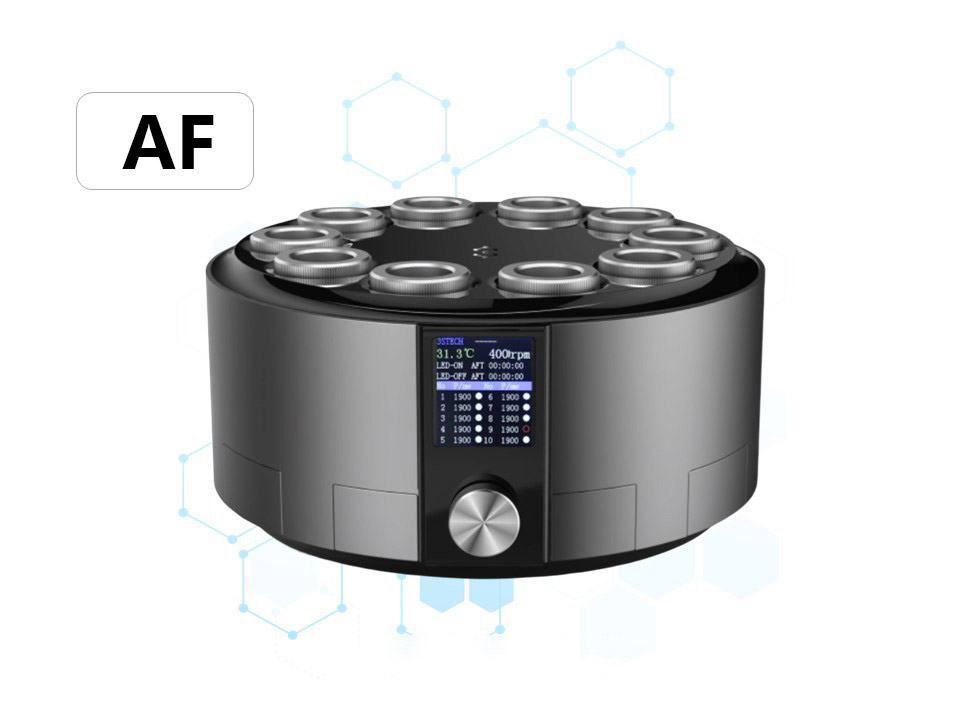
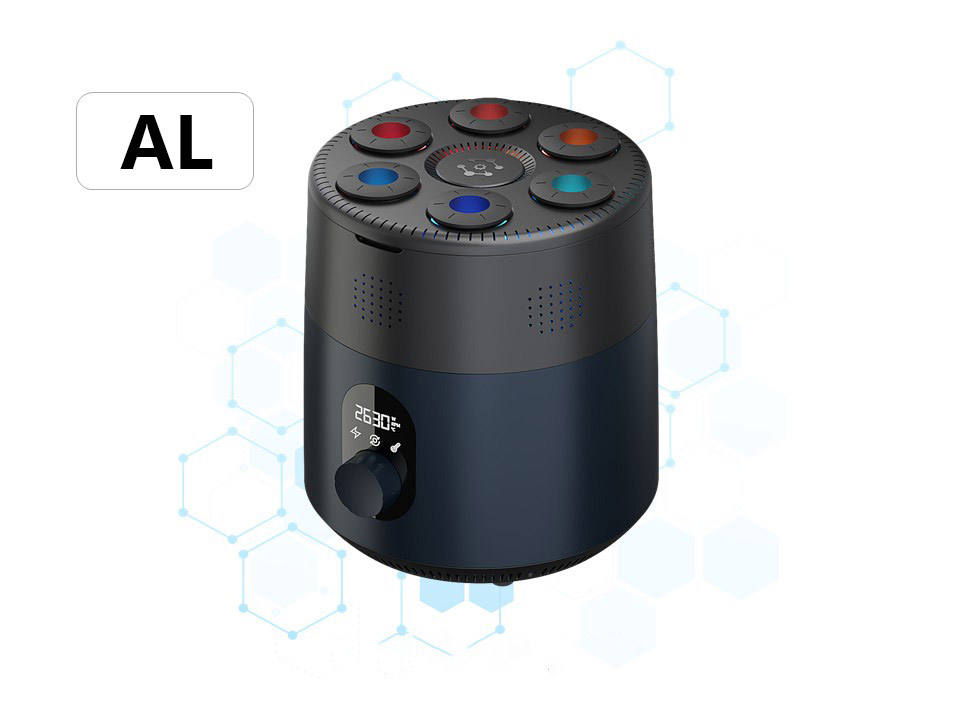
For parallel comparative testing of multiple catalyst samples, the AL3 and AF3 multi-position parallel photocatalytic reactors are recommended. The AL3 adopts an annular light source layout, while the AF3 features a bottom-illumination liquid-cooled structure. Both systems are equipped with modular LED light sources with selectable wavelengths ranging from 250 nm to 975 nm. Independent light intensity adjustment for each reaction station ensures consistent illumination across samples and minimizes systematic errors. The liquid cooling system integrated into AF3 suppresses thermal interference from light sources, making it ideal for UV-based experiments and long-term photocatalytic stability tests.
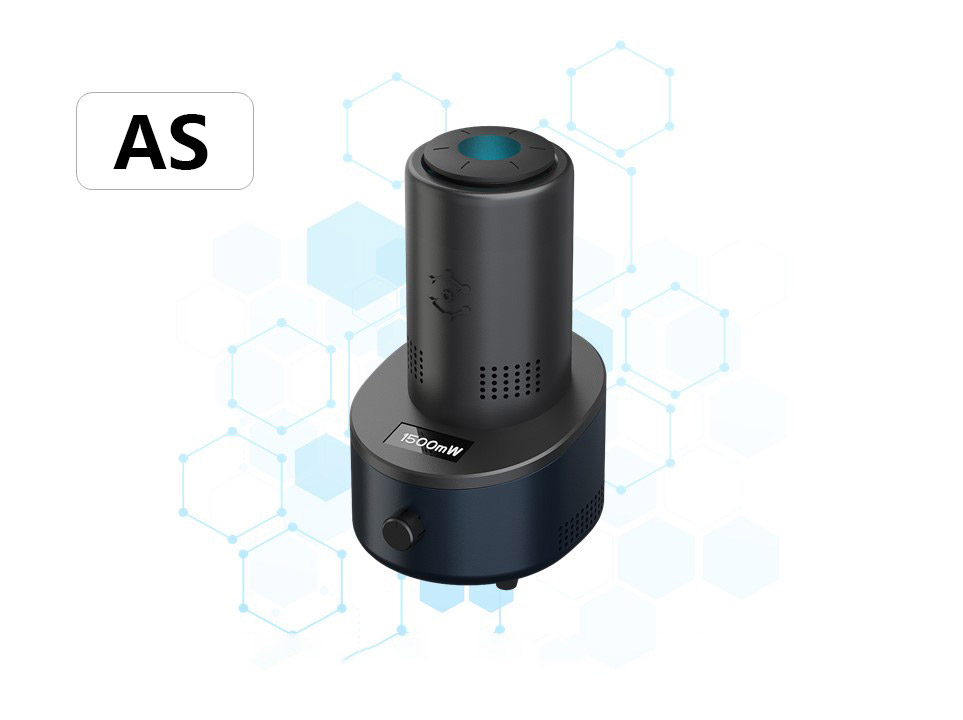
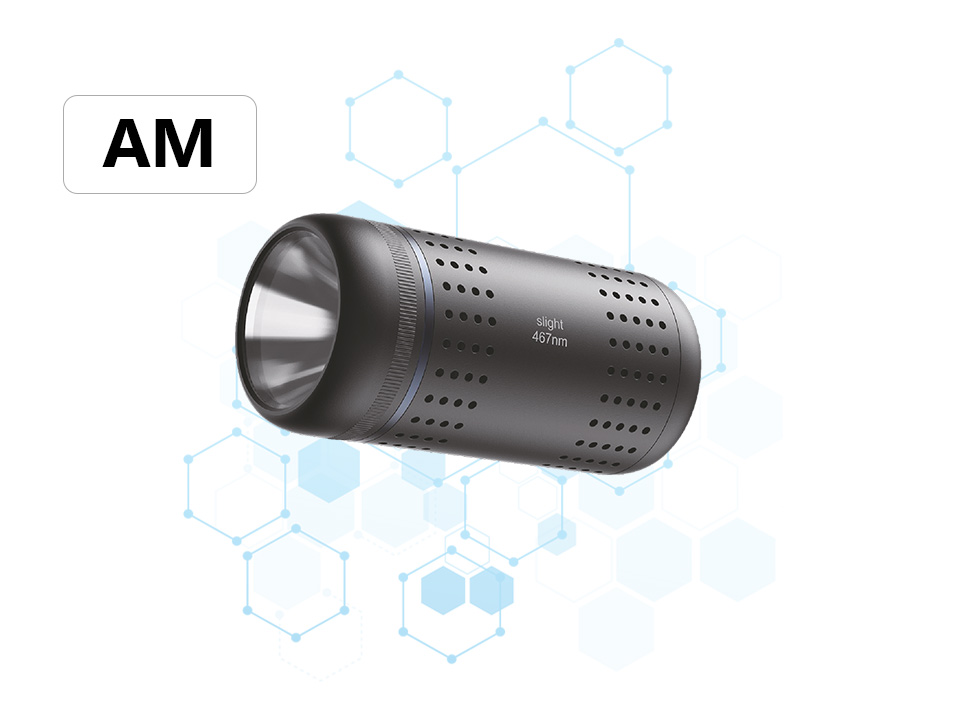
For mechanistic studies on individual samples and gas-liquid-solid multiphase photocatalytic reactions, the AS single-station photoreactor or photocatalytic autoclave can be deployed. These units support atmosphere control and in-situ sampling, compatible with high-pressure and large-volume reaction systems. Select light sources and chamber materials according to the catalyst’s responsive wavelength, reaction volume and temperature requirements; quartz components are mandatory for UV tests. Modular expandability across all Shanghai 3S Tech reactors enables seamless scaling from lab-scale performance evaluation to process development, helping researchers acquire robust and reproducible photocatalytic material data.
Related Reading
hot articles