Shanghai 3S Tech Photocatalytic Reactor Wavelength Selection Guide
2026-04-20
abstract:The wavelength selection for photocatalytic reactors must precisely match the absorption characteristics of the catalyst and the transition energy levels of the reactant molecules.
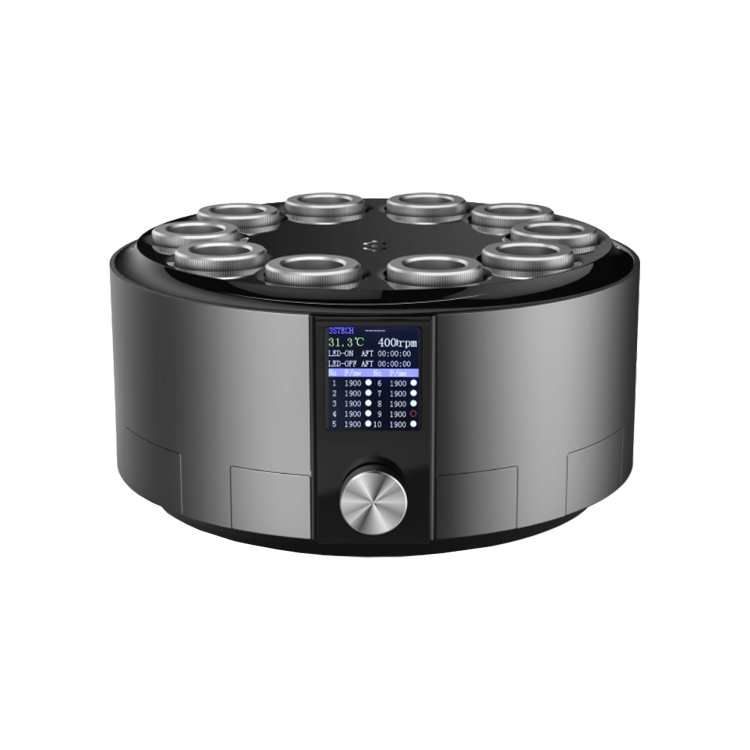
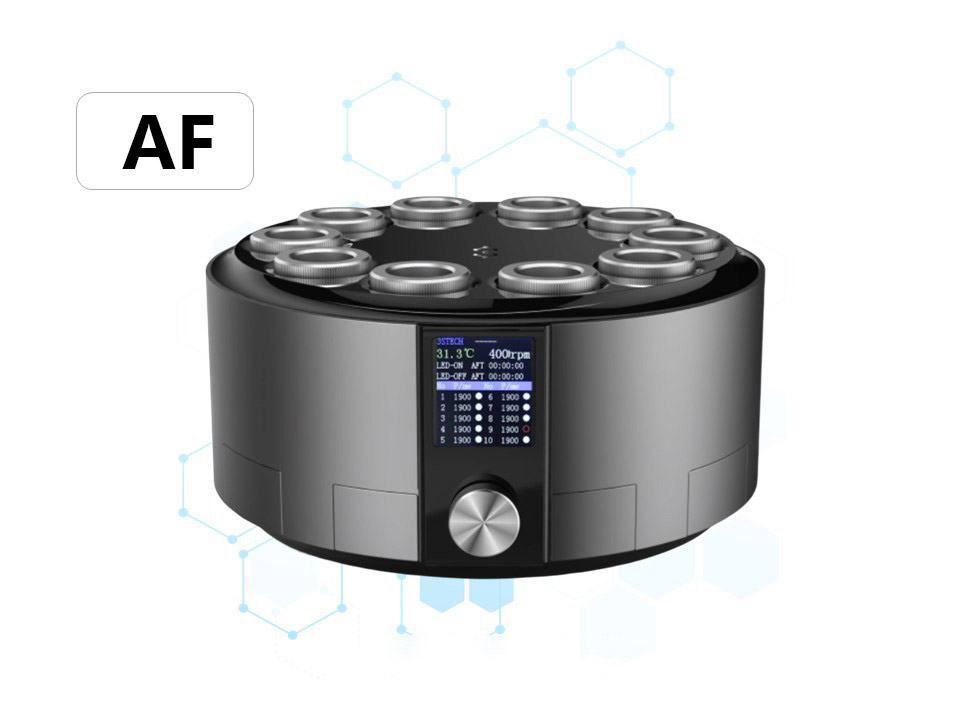
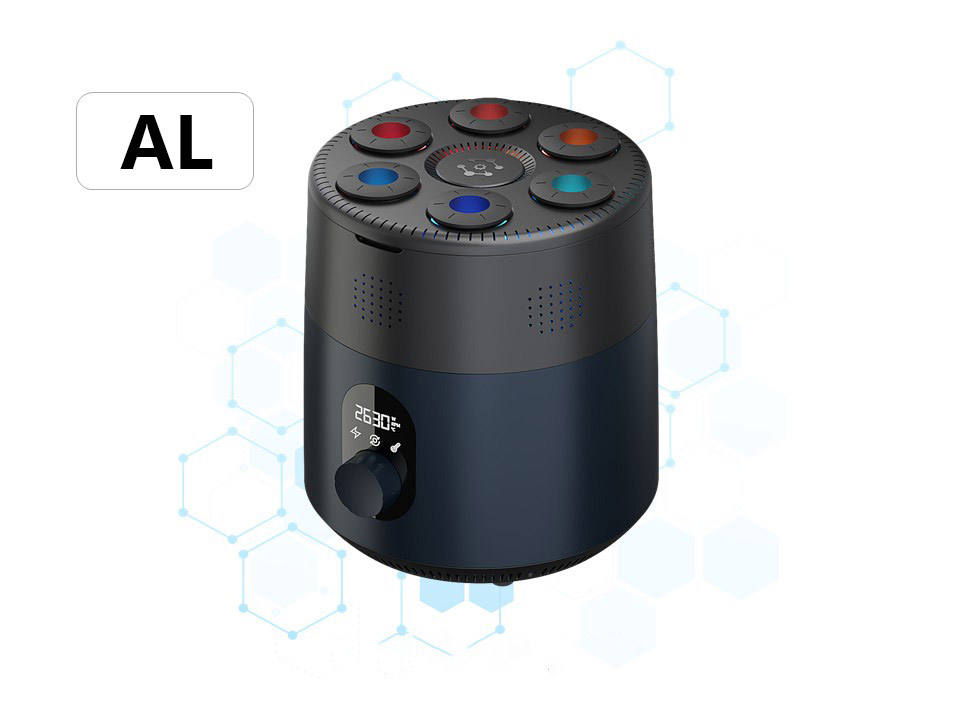
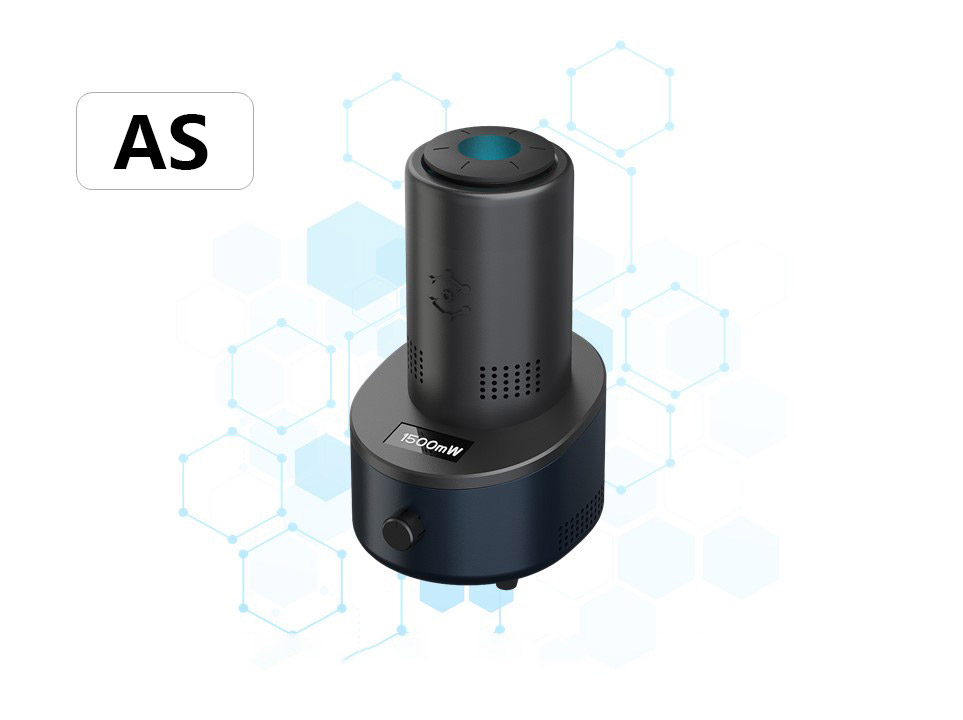
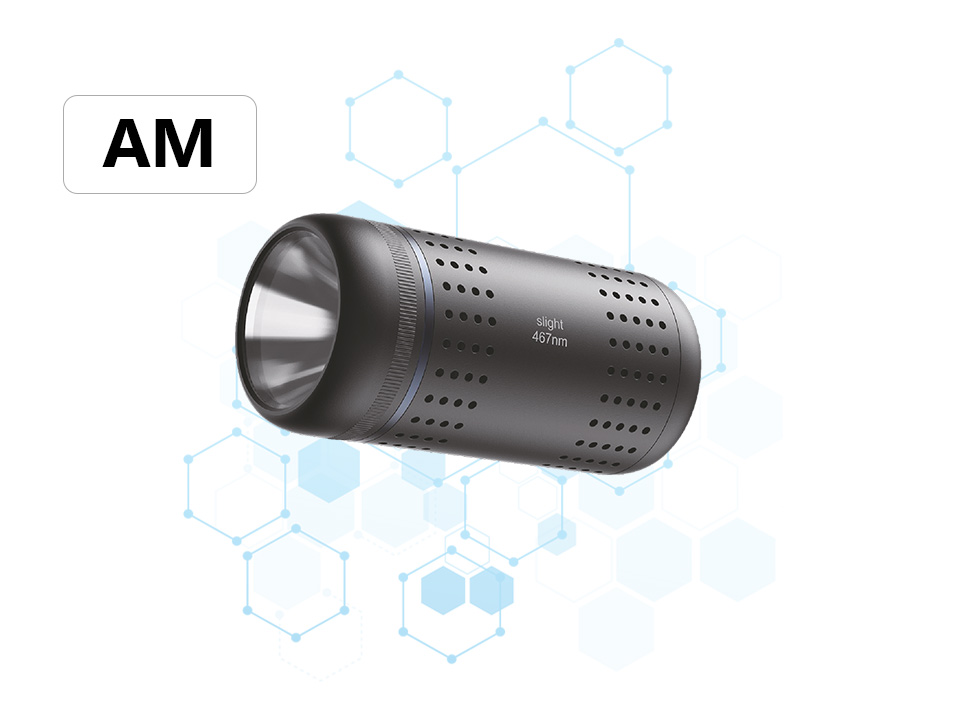
Wavelength Matching Principle: The wavelength selection for photocatalytic reactors must precisely match the absorption characteristics of the catalyst and the transition energy levels of the reactant molecules. For instance, TiO₂ catalysts exhibit the highest activity in the ultraviolet region (250-380 nm), and the 365 nm monochromatic light provided by Shanghai 3S Tech equipment can efficiently excite electron transitions in TiO₂. In contrast, narrow-bandgap materials such as CdS require visible light (400-500 nm), and a 405 nm blue light source can enhance their photocatalytic synthesis efficiency. For complex reactions like CO₂ reduction, a full-spectrum range (365-975 nm) is necessary to match the absorption bands of heterogeneous catalysts.
Application Scenario Orientation: For laboratory-scale experiments, equipment made of high-borosilicate glass is recommended, paired with visible light wavelengths (e.g., 420 nm) for pollutant degradation. Industrial-grade continuous-flow reactors require quartz or sapphire viewports to support deep ultraviolet (254 nm) or near-infrared (850 nm) wavelengths, addressing high-pressure nitration, coupling, and other high-risk reactions. If photothermal synergy is involved, models with thermocouple monitoring should be selected to ensure dual control of wavelength and temperature.
Technical Parameter Verification: Shanghai 3S Tech LED light sources can achieve an intensity of up to 1000 mW/cm² with a light attenuation rate of less than 5% per year, supporting independent adjustment from 0 to 15 W. When purchasing, it is essential to confirm whether the equipment offers over a hundred monochromatic wavelength options and request the manufacturer to provide original data graphs of typical reactions (e.g., hydrogen production via water splitting) to verify the linear relationship between wavelength and yield.
Related Reading
hot articles