Research-Grade Photochemical Reactor, Multi-Station Light Reactor, Specifications/Technical Parameters/Features/Applications
2025-11-27
abstract:The Shanghai 3S Technology research-grade photocatalytic reactor is a high-precision device designed specifically for laboratory research. It integrates multi-station parallel processing, precise temperature control, and modular light sources, significantly enhancing the efficiency and data reliability of photochemical experiments.
The Shanghai 3S Technology research-grade photocatalytic reactor is a high-precision device designed specifically for laboratory research. It integrates multi-station parallel processing, precise temperature control, and modular light sources, significantly enhancing the efficiency and data reliability of photochemical experiments.
Model Selection:
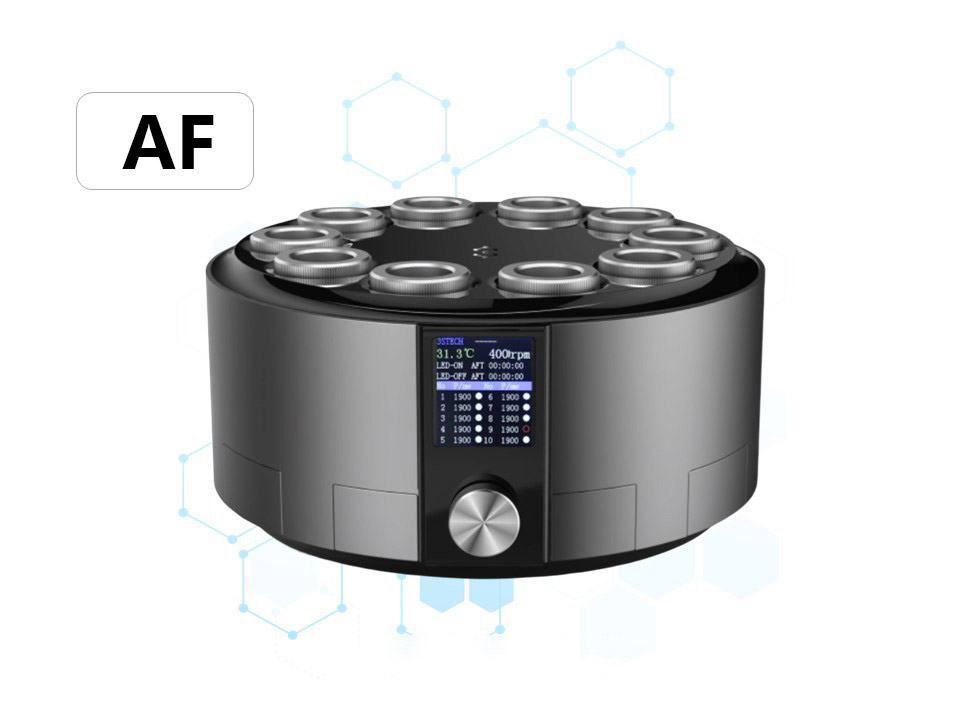
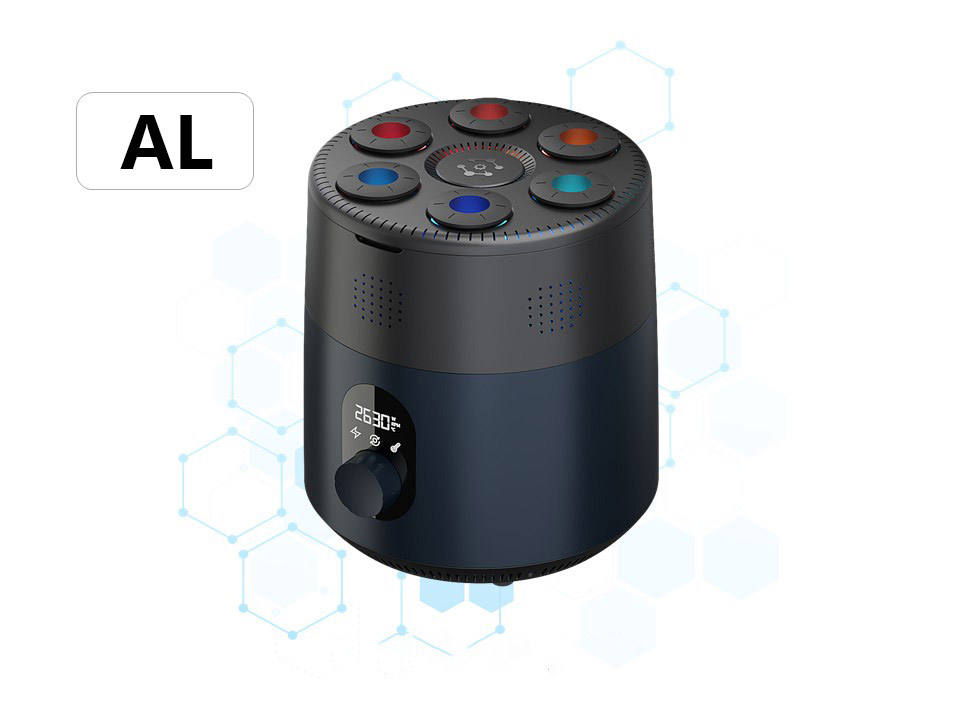
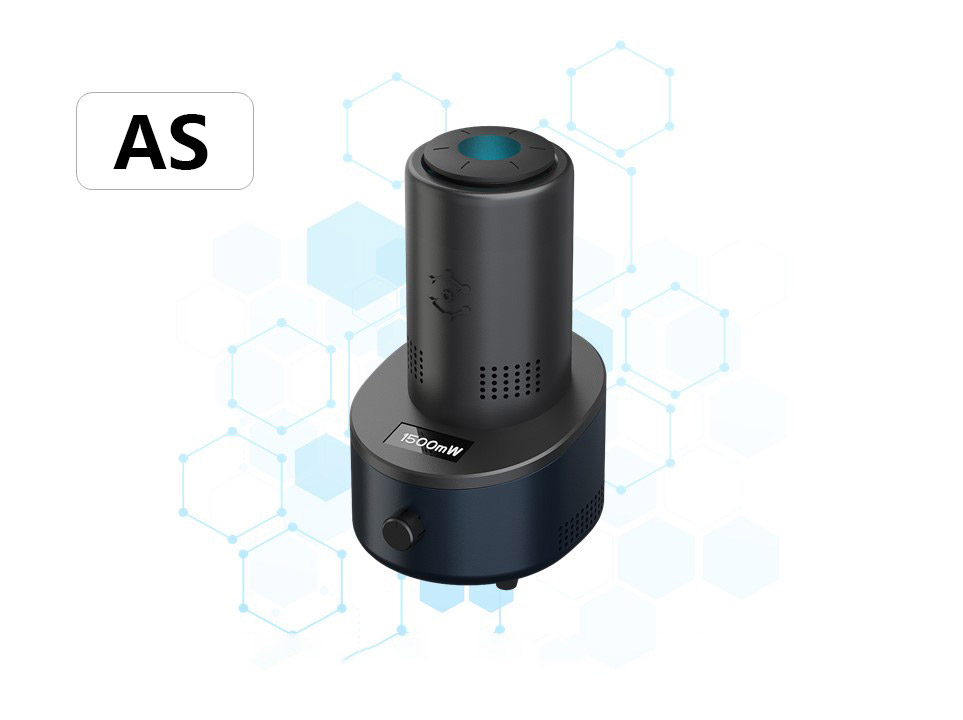
Available in 10-station, 6-station, and single-station configurations to meet diverse experimental scale requirements.
Standard models include AL3 (6-station) and AF3 (10-station liquid-cooled), with customizable configurations supported.
Technical Parameters:
Wavelength range: 250–975 nm, covering UV to near-infrared spectra.
Light intensity: Up to 1000 mW/cm², with light decay <5%/year, ensuring long-term stability.
Temperature control: Precision temperature regulation; liquid cooling or air cooling options available.
Reaction tube compatibility: Adaptable to standard reaction tubes of 2–50 mL, with customized sizes supported.
Core Features:
Independent multi-station control: Each station allows independent adjustment of light intensity (0–15W), reaction time (0–99h), and temperature.
Built-in magnetic stirring: Adjustable speed from 300–2500 rpm to ensure uniform reaction mixing.
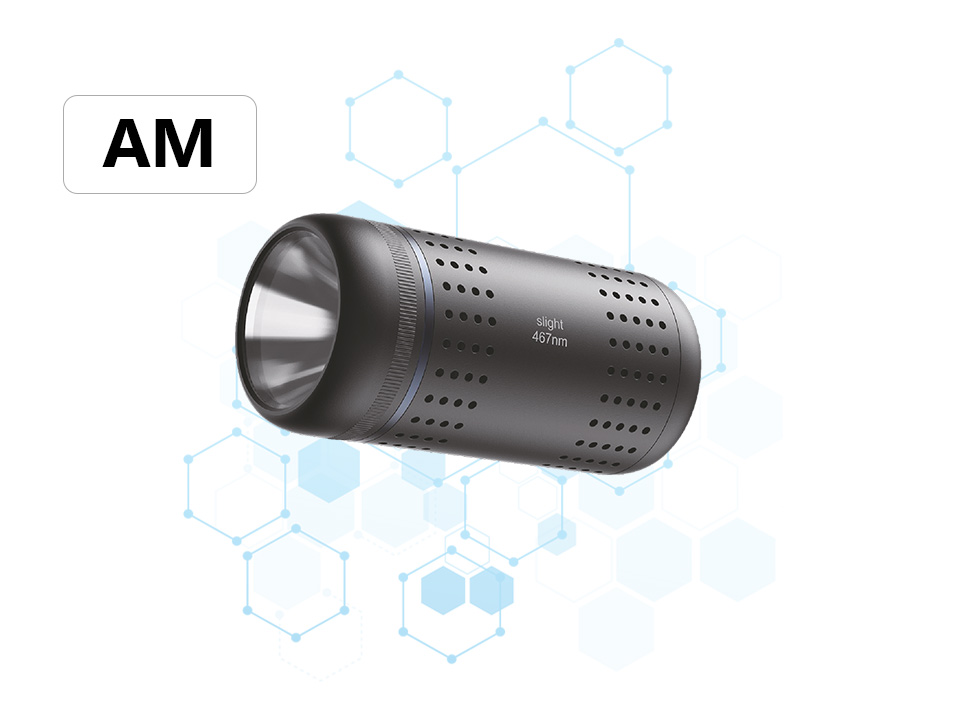
Modular design: Rapid replacement of LED light sources to adapt to different catalyst requirements.
Data accuracy and reproducibility: Eliminates light gradient effects, ensuring consistent experimental conditions across all stations.
Applications:
Pharmaceutical R&D: Synthesis of drug intermediates and optimization of photo-sensitive reactions.
Materials Science: Performance testing and development of photocatalytic materials.
Environmental Science: Degradation of organic pollutants and wastewater treatment research.
Organic Synthesis: Light-initiated polymerization reactions and high-throughput condition screening.
With its high-throughput capabilities, precise control, and flexible configuration advantages, this equipment has become the preferred tool for laboratories in universities, research institutes, pharmaceutical, and environmental sectors, accelerating the exploration of photochemical reaction mechanisms and applications for researchers.
Related Reading
hot articles